Music & Life: Introduction-Discover the links between Music & Life with Easy Ear Training. This innovative new series explores musical training from conception to grave. Learn how music you heard in-utero affected your musical tastes today. Encourage musical creativity in your child or students with easy music tech tools and exercises. Discover how cultures around the globe use […]
Music & Life: The Unborn Child-Ears form within the first ten weeks of pregnancy, and the unborn baby can hear after four months. You can create a good environment to nurture their ears.
Music & Life: The Secret Language Connection-Did you jam on the keys at age five? Sing since you wore diapers? Or did you just pick up music a year ago? The amount of music in your life directly affects your ability to understand language. The longer you have played, the better your language skills[4]. How is this possible? What are the […]
Music & Life: Rockin’ Rockabye Baby Lullabies-Before you rocked on your first guitar, jammed with your high school garage band, or sang your first tune, you had a passion for music. Whether you heard “Rockabye Baby”, “Esta Niña Linda,” or “Fais Dodo Colas, Mon Petit Frère”, your tiny ears enjoyed each sweet lullaby sung to you. What special characteristics make lullabies […]
Music & Life: Child Development and Music-How does music benefit your child? Does music make a difference in schools and hospitals? What are some simple ways that you can add music to every day life?
Music & Life: Relax with these special ear training MP3s-If you’ve been following the series so far, you’ll have learned how music can affect babies even before birth, the benefits of lullabies for young children and how early exposure to music can help in a child’s development. We’ve developed a set of special music tracks to help introduce young ears to different musical sounds […]
Music & Life: Singing and Childhood-Children love to sing. Listen to a group of schoolchildren at the playground, and you will hear a mix of imagined songs, favorite nursery rhymes, and popular tunes intermingled with giggles and laughter. Making music seems hardwired to our DNA since childhood. Even as adults, we sing loudly in the shower or car when we […]
Music & Life: Two New Children’s Ear Training Songs-Here are two songs to help children learn vital musical listening skills: Froggy Interval Hop and Monkey Rhythm Dance. Download the free MP3s and sheet music.
Music & Life: The Special Needs Child & Technology-Music can improve the quality of life for children with physical, emotional, and psychological needs in a variety of ways. Learn exactly how in this article.
Music & Life: Play On Education (interview)-One of the topics we’ve been looking at in Music & Life is early music learning and how you can introduce music into a child’s life in a fun and educational way. Today we’re speaking with Joanne van de Heuvel-Berkers, founder of the Play On Education Music School, a Worcestershire, UK-based music school which specialises […]
Music & Life: Music Matters Blog (interview)-Last time around we spoke with Joanne van de Heuvel-Berkers, founder of the Play On Education Music School in the UK, which is using aspects of play and singing to make early music education fun for children. This week we’re speaking with another expert in the field, Natalie Wickham, who runs the excellent piano pedagogy […]
Music & Life: The Power of Rhythm-Rhythm guides your lives. From the steady rhythm of the heart pulsing life-giving blood, to the breathing in and out of oxygen necessary for survival to the simple left-right-left-right marching pace as you walk along your path, rhythm governs each second that tick, tick, ticks away. It is no wonder that rhythm has been proven […]
Music & Life: Learning Music Around the World-Music exists in every known culture to man. From indigenous Australian aborigines exploring nature through sound to an elementary schoolroom in Japan learning the Suzuki method to American high schoolers jamming to a hopping jazz tune in New Orleans, each cultural group shares its own unique story through music. All over the world, children learn […]
Music & Life: The Hidden Power of Music and Memory-Discover the link between memory, harmony, and ear training, and how studying music and improving your musical ear can actually help improve your memory too.
Music & Life: Music, Health, and Aging-Ear training doesn’t have to start when you are in elementary school or college. Music activities like ear training benefit you no matter what your age, from eight months to eighty. This article provides useful information for: Older adults who want to discover the benefits of music Music students and health professionals interested in creative […]
Music & Life: Turn Down the Volume!-Ears still reeling from the latest Godsmack, Black Eyed Peas, or Lady Gaga concert? Jam out to your fave artists Disturbed, Audioslave, Rihanna, and Kanye West 24/7 on your iPod? Do you love your music LOUD? Keep it up and you might end up as deaf as your Granny by age 30! If you want […]
Music & Life: Teens, Listening, and Ear Training-Teenagers are naturally gifted when it comes to remembering music. Find out what it is about music that imprints a solid memory in teens (and adults too).
Music & Life: Spooky Halloween Song!-Try fun Halloween ear training activities for kids using spooky music songs. Teach young ears to recognize major and minor chords and scales using the free song “Halloween is coming soon!” “Halloween is coming soon!” Learning about Minor and Major chords for Beginning Piano and Voice Make ear training easy this Halloween with a spooky […]
Music & Life: Scary Halloween Sounds Party-Kids love spooky sounds! Work on their ear training skills and help them identify different timbres, pitch, and dynamics this Halloween. Enjoy making your own Foley sounds, play sound charades, and scare your Halloween party guests. You’ll also find lots more Halloween music resources below, so read on… if you dare! Scary Halloween Sounds 1. […]
Music & Life: The Back-to-School Edition-It’s back-to-school time! Music educators and parents have been getting started on another exciting school year. Need some fun music activities for your classroom? Check out some of these great online resources on ear training, kid’s songs, karaoke and more! Teach your students intervals through popular children’s songs, explore rhythm with the computer game Knights […]
Music & Life: Musical Resources for Home Schooling-You don’t have to be a skilled musician yourself to teach music in your home school. Here are some tips and resources for bringing music to your home classroom.
You Can Start Making Music At Any Age-It's never too late to start learning music, and everybody is capable of becoming a strong performer. Learn how you can get started enjoying music-making.
10 Musical Ear Training Tips for the Adult Beginner-For adult beginner musicians, it's particularly important to practice ear training and get those ears up to speed! Learn how to start with these top 10 tips.
Join Musical U
Musical U membership provides you with dozens of training modules, tools for goal-setting and planning, and a friendly, supportive community who will help you succeed.

 Music & Life: Introduction - Discover the links between Music & Life with Easy Ear Training. This innovative new series explores musical training from conception to grave. Learn how music you heard in-utero affected your musical tastes today. Encourage musical creativity in your child or students with easy music tech tools and exercises. Discover how cultures around the globe use […]
 Music & Life: The Unborn Child - Ears form within the first ten weeks of pregnancy, and the unborn baby can hear after four months. You can create a good environment to nurture their ears.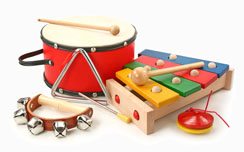
 Music & Life: The Secret Language Connection - Did you jam on the keys at age five? Sing since you wore diapers? Or did you just pick up music a year ago? The amount of music in your life directly affects your ability to understand language. The longer you have played, the better your language skills[4]. How is this possible? What are the […]
 Music & Life: Rockin’ Rockabye Baby Lullabies - Before you rocked on your first guitar, jammed with your high school garage band, or sang your first tune, you had a passion for music. Whether you heard “Rockabye Baby”, “Esta Niña Linda,” or “Fais Dodo Colas, Mon Petit Frère”, your tiny ears enjoyed each sweet lullaby sung to you. What special characteristics make lullabies […]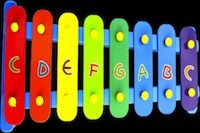
 Music & Life: Child Development and Music - How does music benefit your child? Does music make a difference in schools and hospitals? What are some simple ways that you can add music to every day life?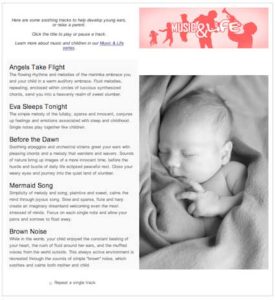
 Music & Life: Relax with these special ear training MP3s - If you’ve been following the series so far, you’ll have learned how music can affect babies even before birth, the benefits of lullabies for young children and how early exposure to music can help in a child’s development. We’ve developed a set of special music tracks to help introduce young ears to different musical sounds […]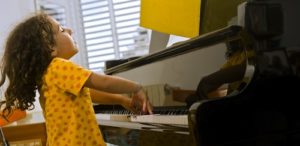
 Music & Life: Singing and Childhood - Children love to sing. Listen to a group of schoolchildren at the playground, and you will hear a mix of imagined songs, favorite nursery rhymes, and popular tunes intermingled with giggles and laughter. Making music seems hardwired to our DNA since childhood. Even as adults, we sing loudly in the shower or car when we […]
 Music & Life: Two New Children’s Ear Training Songs - Here are two songs to help children learn vital musical listening skills: Froggy Interval Hop and Monkey Rhythm Dance. Download the free MP3s and sheet music.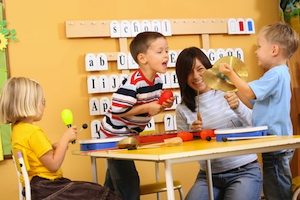
 Music & Life: Play On Education (interview) - One of the topics we’ve been looking at in Music & Life is early music learning and how you can introduce music into a child’s life in a fun and educational way. Today we’re speaking with Joanne van de Heuvel-Berkers, founder of the Play On Education Music School, a Worcestershire, UK-based music school which specialises […]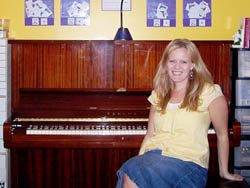
 Music & Life: Music Matters Blog (interview) - Last time around we spoke with Joanne van de Heuvel-Berkers, founder of the Play On Education Music School in the UK, which is using aspects of play and singing to make early music education fun for children. This week we’re speaking with another expert in the field, Natalie Wickham, who runs the excellent piano pedagogy […]
 Music & Life: The Power of Rhythm - Rhythm guides your lives. From the steady rhythm of the heart pulsing life-giving blood, to the breathing in and out of oxygen necessary for survival to the simple left-right-left-right marching pace as you walk along your path, rhythm governs each second that tick, tick, ticks away. It is no wonder that rhythm has been proven […]
 Music & Life: Learning Music Around the World - Music exists in every known culture to man. From indigenous Australian aborigines exploring nature through sound to an elementary schoolroom in Japan learning the Suzuki method to American high schoolers jamming to a hopping jazz tune in New Orleans, each cultural group shares its own unique story through music. All over the world, children learn […]
 Music & Life: The Hidden Power of Music and Memory - Discover the link between memory, harmony, and ear training, and how studying music and improving your musical ear can actually help improve your memory too.
 Music & Life: Music, Health, and Aging - Ear training doesn’t have to start when you are in elementary school or college. Music activities like ear training benefit you no matter what your age, from eight months to eighty. This article provides useful information for: Older adults who want to discover the benefits of music Music students and health professionals interested in creative […]

 Music & Life: Teens, Listening, and Ear Training - Teenagers are naturally gifted when it comes to remembering music. Find out what it is about music that imprints a solid memory in teens (and adults too).
 Music & Life: Spooky Halloween Song! - Try fun Halloween ear training activities for kids using spooky music songs. Teach young ears to recognize major and minor chords and scales using the free song “Halloween is coming soon!” “Halloween is coming soon!” Learning about Minor and Major chords for Beginning Piano and Voice Make ear training easy this Halloween with a spooky […]
 Music & Life: Scary Halloween Sounds Party - Kids love spooky sounds! Work on their ear training skills and help them identify different timbres, pitch, and dynamics this Halloween. Enjoy making your own Foley sounds, play sound charades, and scare your Halloween party guests. You’ll also find lots more Halloween music resources below, so read on… if you dare! Scary Halloween Sounds 1. […]
 Music & Life: Fun Rhythm Activities for Valentine’s Day - Develop your ear lovingly with these Valentine music activities and ear training songs like the Chocolate Triplet Boogie Woogie and the Valentine Rhythm Song.
 Music & Life: The Back-to-School Edition - It’s back-to-school time! Music educators and parents have been getting started on another exciting school year. Need some fun music activities for your classroom? Check out some of these great online resources on ear training, kid’s songs, karaoke and more! Teach your students intervals through popular children’s songs, explore rhythm with the computer game Knights […]
 Music & Life: Musical Resources for Home Schooling - You don’t have to be a skilled musician yourself to teach music in your home school. Here are some tips and resources for bringing music to your home classroom.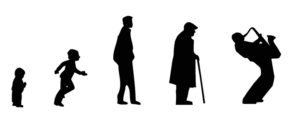
 You Can Start Making Music At Any Age - It's never too late to start learning music, and everybody is capable of becoming a strong performer. Learn how you can get started enjoying music-making.
 10 Musical Ear Training Tips for the Adult Beginner - For adult beginner musicians, it's particularly important to practice ear training and get those ears up to speed! Learn how to start with these top 10 tips.