 The Importance of Ear Training for Musicians - Ear training is an integral part of our musical studies. We are developing our mind's ear so we can accurately hear and identify the musical elements we hear.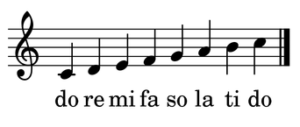
 An Approach to Ear Training - With ear training it is useful to have a basic methodology for building our skills. We are developing our relative pitch to recognise notes by ear.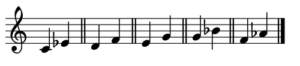
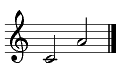
 Learning to Recognize Intervals - When you learn to recognize intervals you build your core sense of relative pitch which lets you play by ear, improvise and create your own music.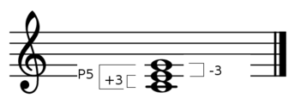
 Learning to Recognize Triads – Part 1 - Triad chords are the basis of all chords, so they are a great way to start chord ear training. Learn how and get started recognising major and minor triads.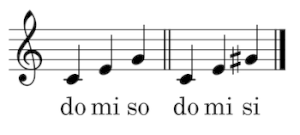
 Learning to Recognize Triads – Part 2 - Triad chords are the basis of all chords. Once you master major and minor triad chords, you should learn how to recognise augmented and diminished triads.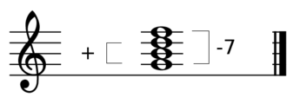
 Working With Seventh Chords - Once you're comfortable with intervals and triads, we can start to work on seventh chords (popular in jazz, blues and pop music) with seventh chord ear training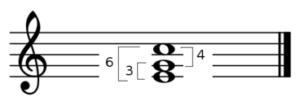
 Inversions of Major and Minor Triads - We've previously covered how to recognize the different qualities of triad - major, minor, augmented and diminished. We can also learn to hear their inversions.
 Inversions of Diminished and Augmented Triads - Diminished and Augmented chords each have distinctive sounds and you can use the intervals within them to help you reliably recognise their inversions by ear.