

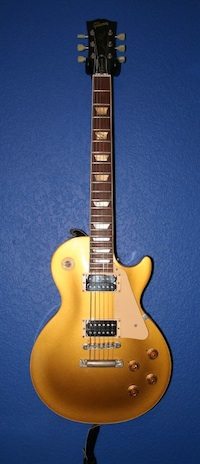

You can do ear training for the guitar and ear training on the guitar. Find out how to train your ear to improvise solos, play chords by ear, and perfect your own guitar sound.
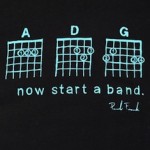
There’s a simple concept which lets you play thousands of popular songs easily by ear: they all use the same underlying chord progression! Learn all about it and discover how you can play these songs by ear in “4 Chords and the Truth”.
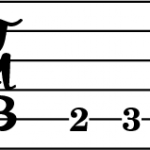
Intervals are a great way to develop your sense of relative pitch, which allows you to improvise freely, play songs by ear and write your own music. Guitar players can practice interval recognition in a way that best suits the guitar. Find out more in “Learning to Recognize Intervals for Guitarists”.

Whatever you play on your guitar, you want to make sure your sound is just right. This comes down to your instrument, your amp, your playing technique, the equipment settings you apply and the audio effects you use. Learn what to listen for in the “Introduction to Guitar Tone”.
If you want to learn to play guitar by ear, just watch this video series by professional guitar instructor Brad Mavin, which begins from the basics and builds up to playing songs by ear: “Playing By Ear with Brad Mavin”.
It’s a rare guitarist these days who doesn’t employ some selection of audio effects to hone their sound and adapt it for different songs. Whether you use guitar pedals or effects plugins, you’ll need the listening skills to match. The “Hearing Effects” series is for you.

Find out the what, why and how of guitar ear training in this simple guide on leading UK guitar forum TheFretboard.



 Inside Musical U you’ll find a set of ear training modules for guitar which help with three major areas: Playing Chords By Ear, Improvising and Rhythm.
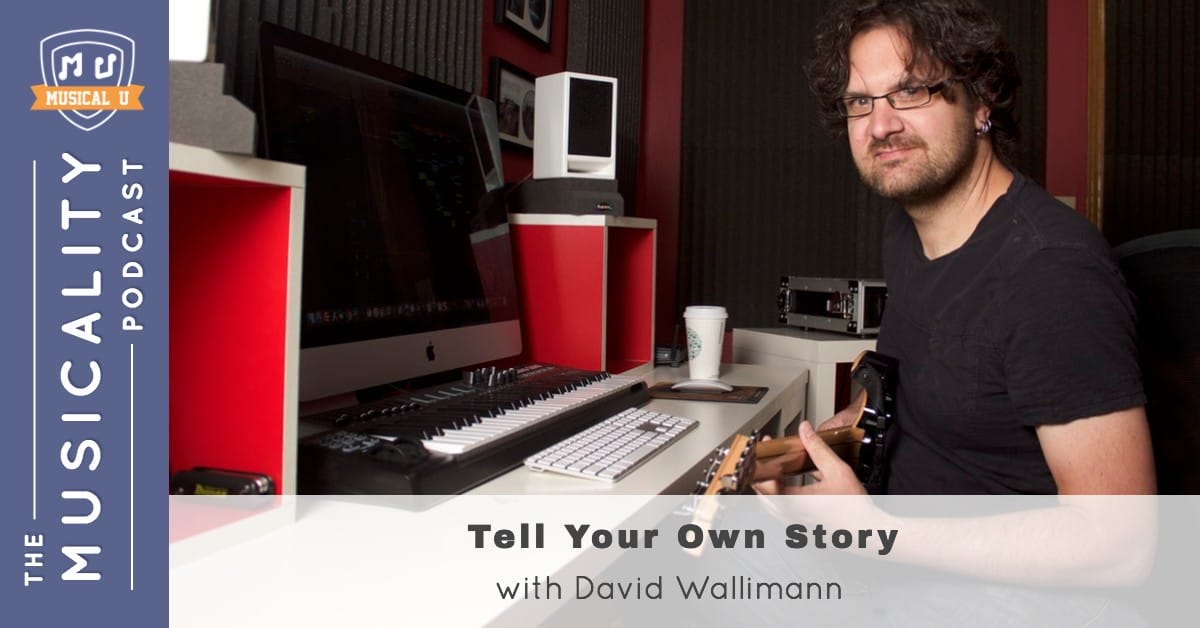
Composer, recording artist, and guitar educator David Wallimann shares his unique perspective on improvisation, and how to find your own musical voice.

We interview Musical U member J’aimeW on her pragmatic approach to her musical journey, sharing her Progress Journal entries alongside her answers.
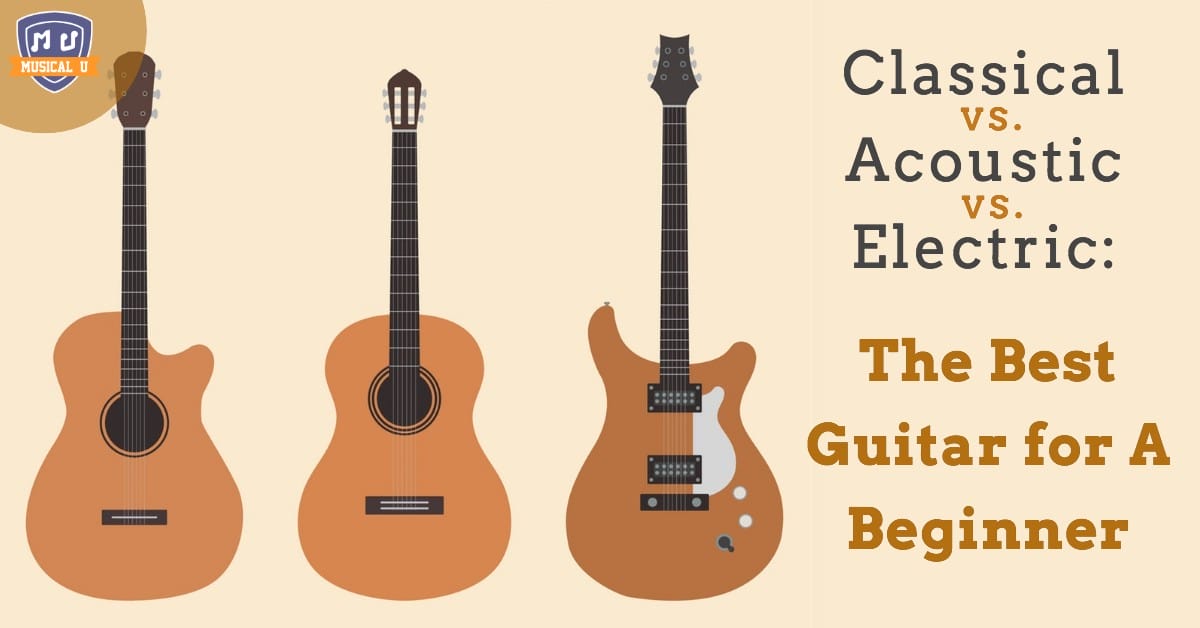
So you’re buying your first guitar! Learn which type is your best bet for honing your technique in the crucial early stages of learning the instrument.
What is the difference between good and bad technique, and how can some slight adjustments help avoid injury? Guitar expert Max Chiossi explains.
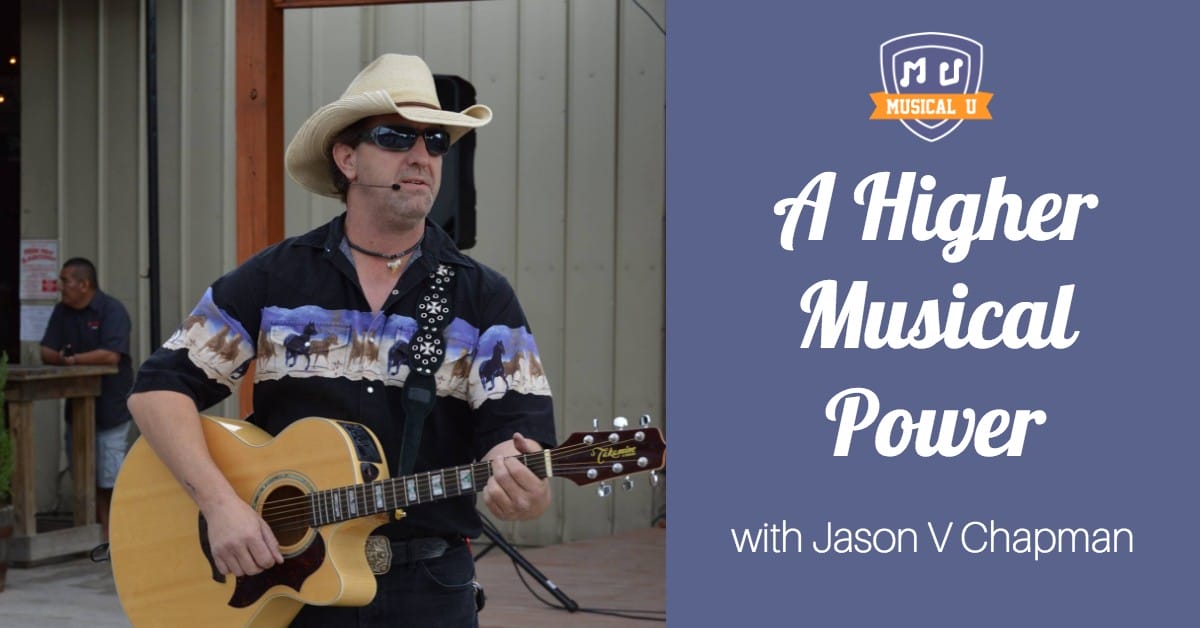
We talk to up-and-coming country musician Jason V Chapman about his songwriting approach, his inspirations, and the role of God in his musical journey.
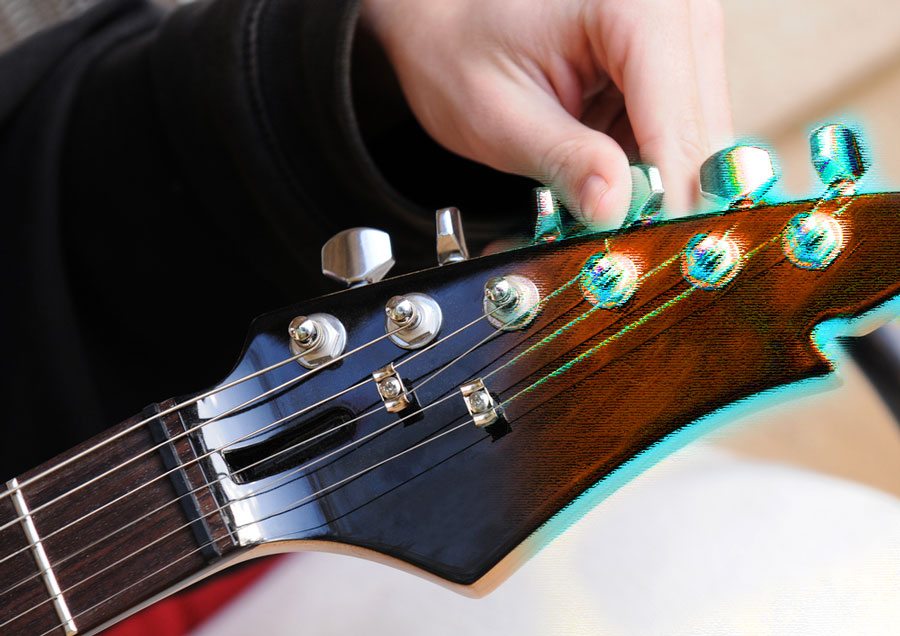
Alternate tunings can be an innovative way to overcome your guitar playing limitations and bring fresh energy to your playing. Discover the sounds here.
Learning to play the guitar doesn’t have to be a struggle. Making the right habits will get you on the track to success. Check out our 6 tips to begin.
Want to grow as a guitar player? Surprise: it’s not about your hands, but your ears. See how quickly a few aural skills can move you from awful to awesome!
The notes you don’t play are just as important as the ones you do! Learn how to use silence in your improvisation to add interest to your solos.
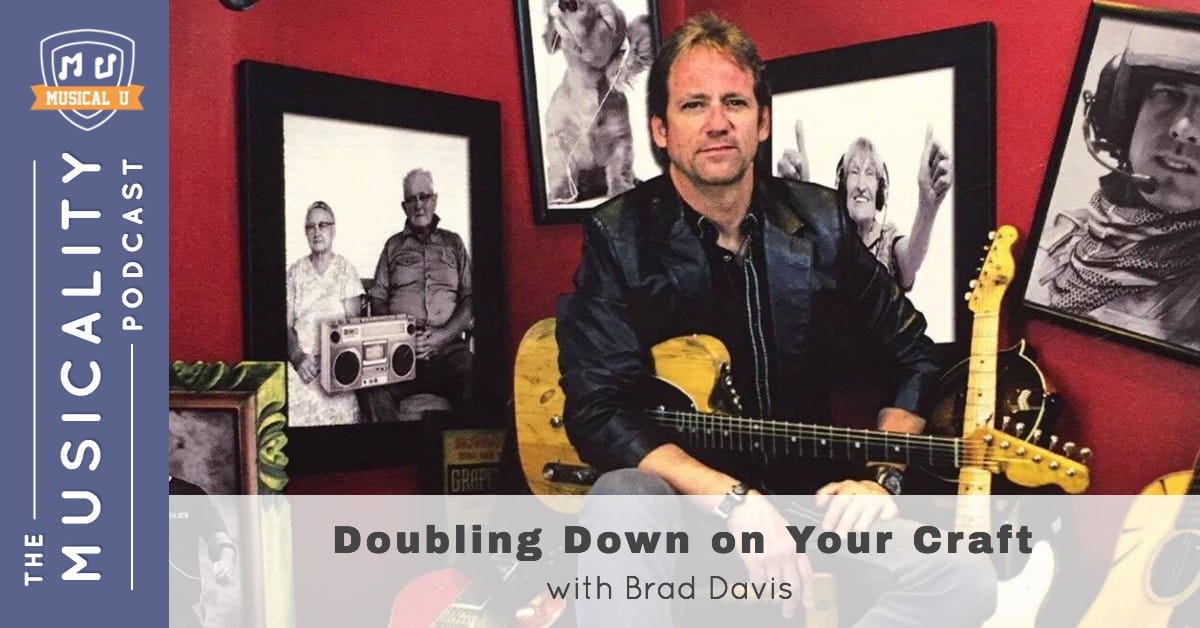
Musical U interviews guitar icon Brad Davis on his incredible career as a session player and songwriter, and how he created his signature guitar techniques.
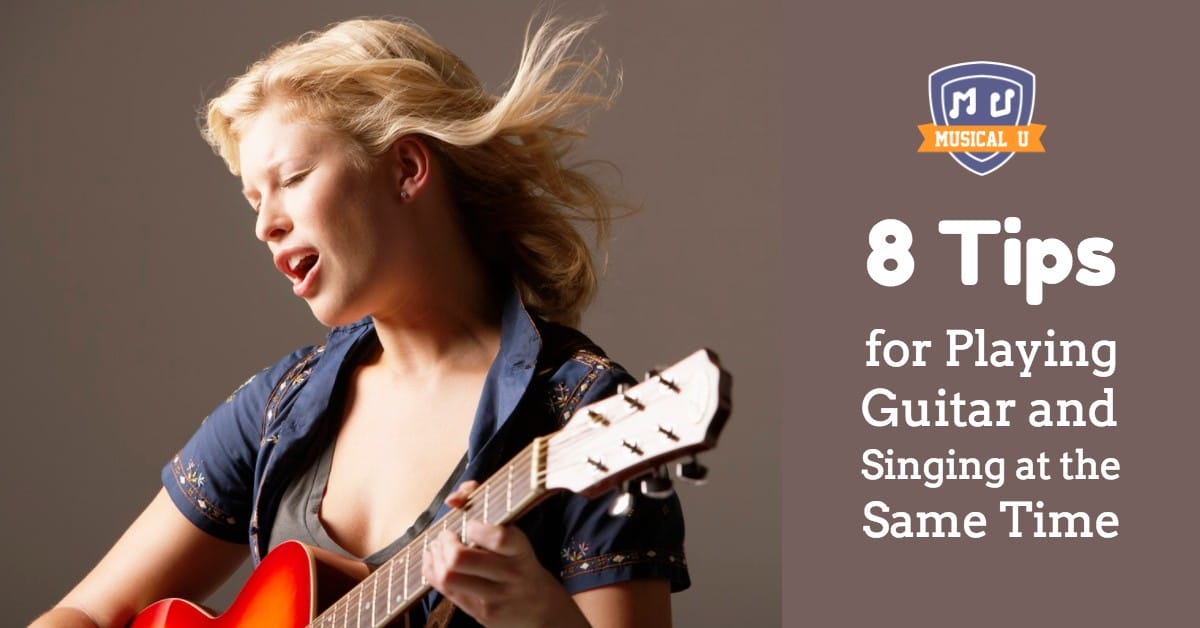
Wondering how to play guitar and sing at the same time without missing a beat? Start here, with 8 tips that will have you strumming and humming in no time!


Musical U membership provides you with dozens of training modules, tools for goal-setting and planning, and a friendly, supportive community who will help you succeed.
Start reaching your true musical potential:

Download free ear training apps to help you improve your ear for music: