Jazz
Free articles about Jazz
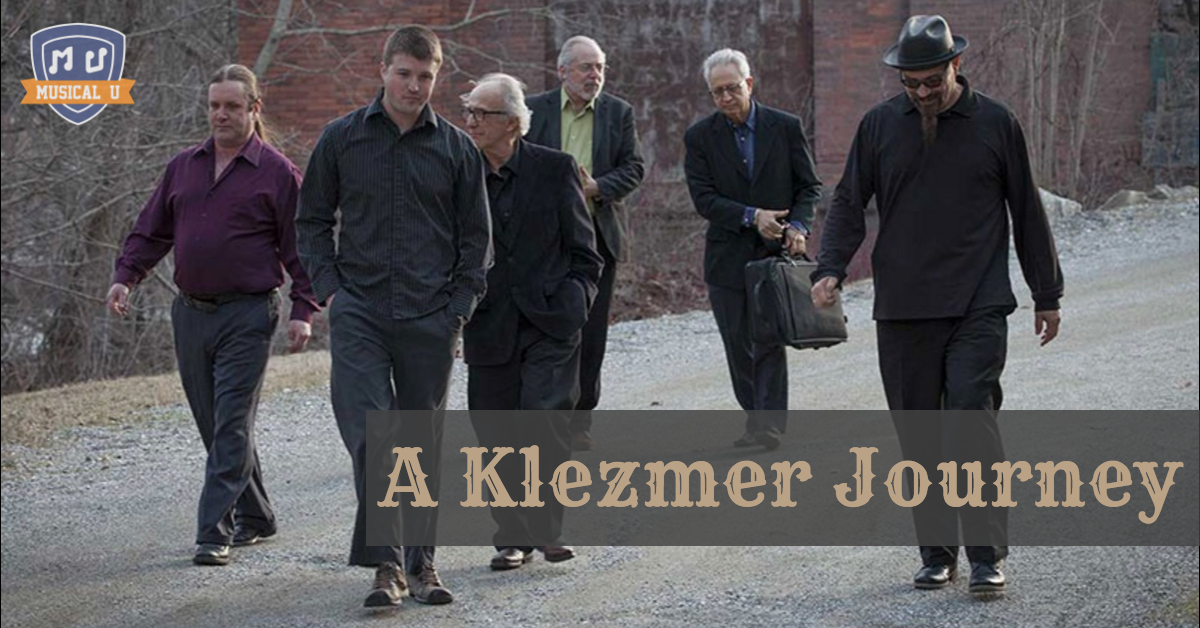
A Klezmer Journey, with Paul Green
Paul Green lives in two worlds – as his early musical love of jazz meets his Jewish roots, creating a new expression of the old tradition of klezmer music.
Jazz Improvisation Ear Training: 5 Tips from Chris Cooke (Learn Jazz Faster)
Discover 5 powerful tips for learning to improvise great jazz solos easily from a professional jazz musician and educator, Chris Cooke of Learn Jazz Faster.
The Jazz Ear Startup Guide: Five Master Tools
Discover the five master tools used by expert jazz improvisers and the easy steps you can take to develop them for your own jazz ear.
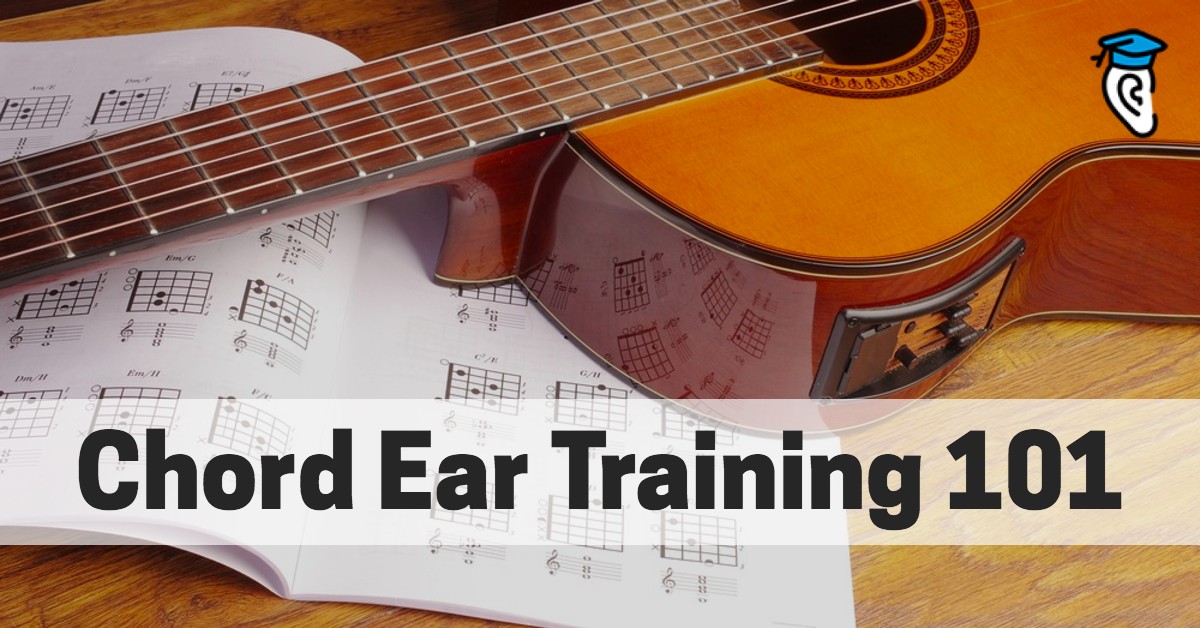
Chord Ear Training 101
Learn to play the most common chords and chord progressions by ear and find out how they are used in a variety of genres – rock, jazz, and classical.
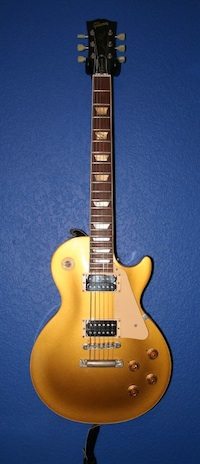
Listen to Les, Part 1: The Gibson "Les Paul"
Ask a guitarist to name five famous Les Paul players and you’ll probably get Slash, Jimmy Page, Pete Townsend and Joe Perry… and maybe Ace Frehley, or the late great Gary Moore. There’s plenty of players to choose from: a quick look at the Gibson website reveals...
Pathways: Oli Fuhrmann
Oli Fuhrmann shares his musical journey and how he started jamming with high-level musicians. Learn practical tips to help you jump in the next jam session.
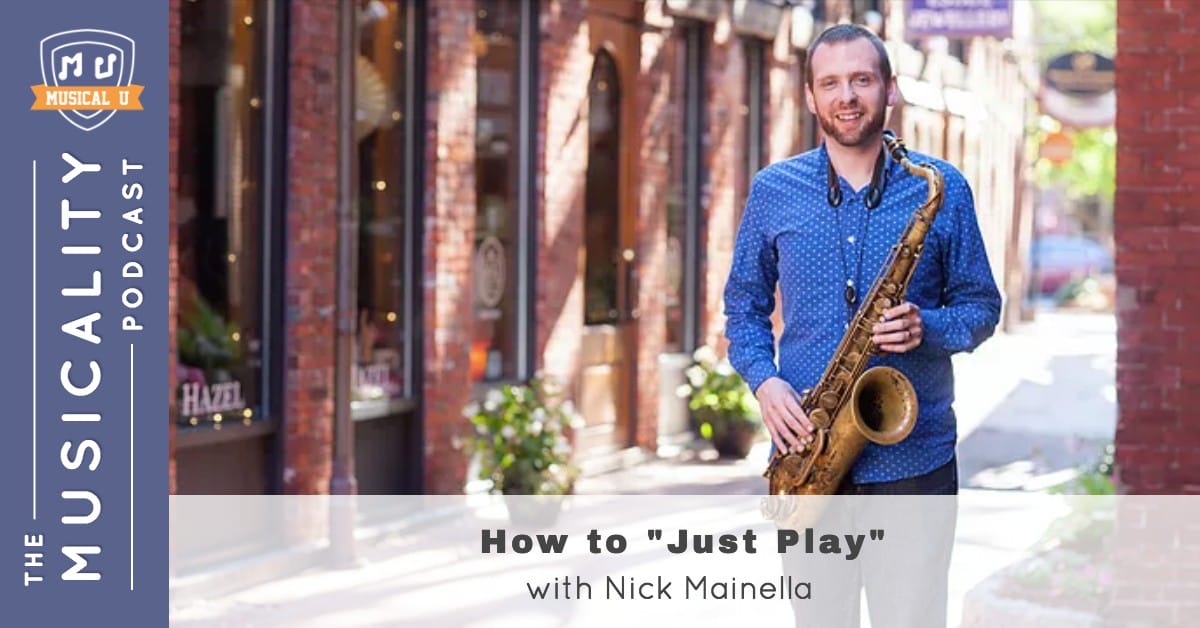
How to “Just Play”, with Nick Mainella
Learn about improvisation from a pro! Musical U interviews Nick Mainella, jazz musician and creator of the 10 Minute Jazz Lesson Podcast.
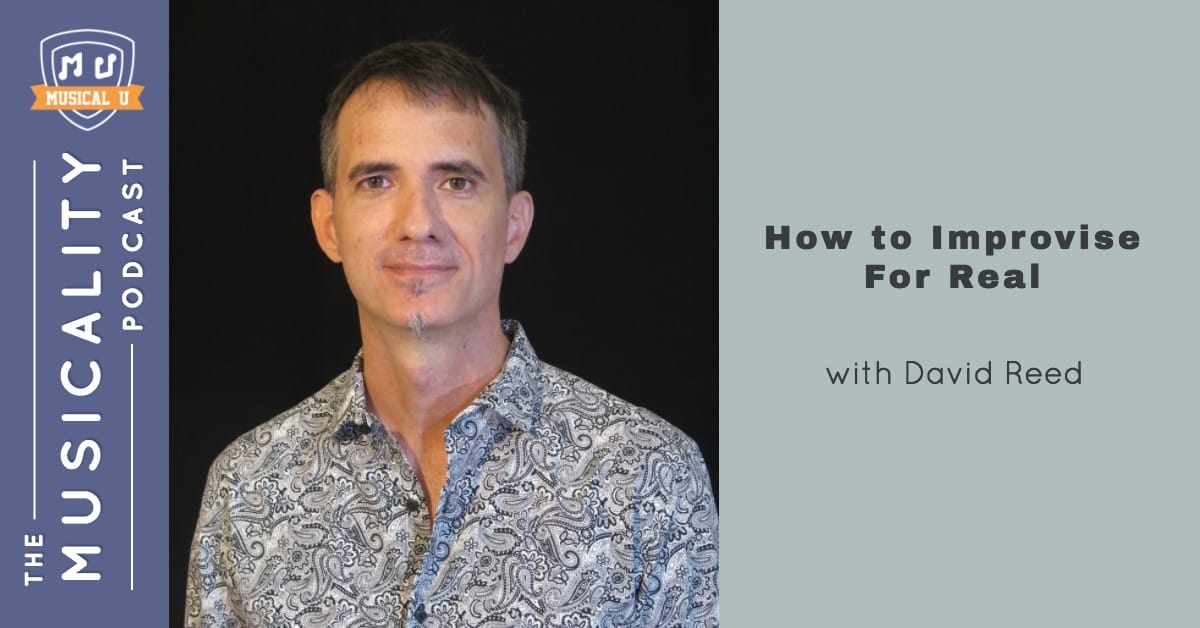
How to Improvise For Real, with David Reed
Improvise For Real’s David Reed details his own musical beginnings, the limitations of traditional music education, and how to improvise – the right way.
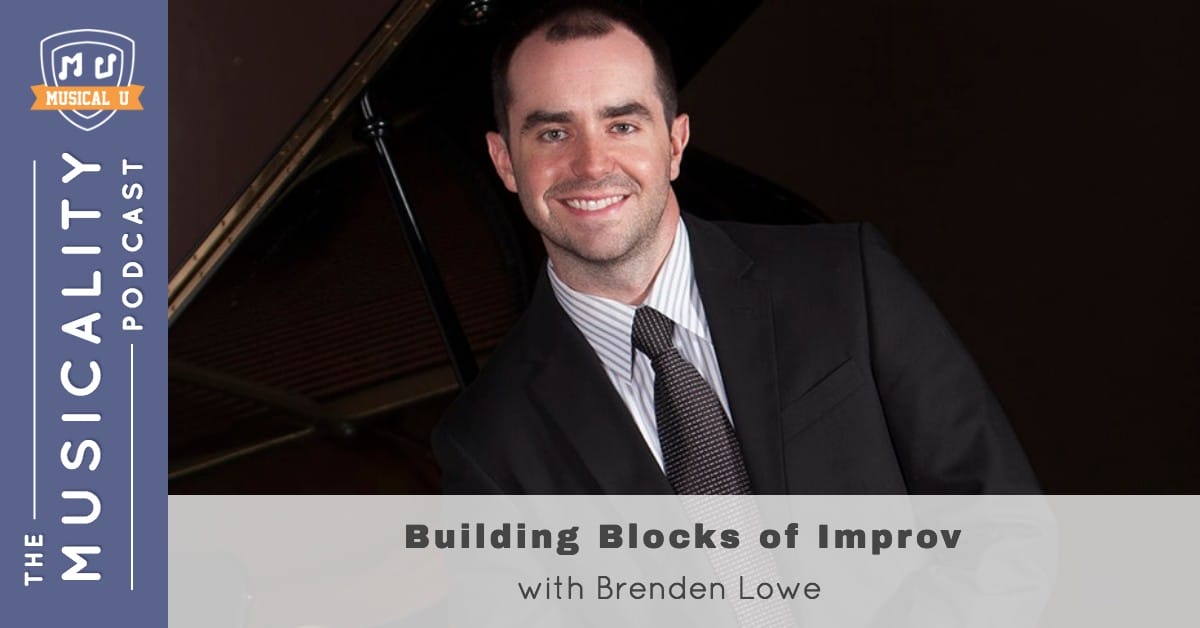
Building Blocks of Improv, with Brenden Lowe
JazzPianoSchool.com’s Brenden Lowe details his journey in jazz piano, and how he achieved freedom and creativity in his playing.
The Ultimate Guide to the Dorian Mode
The Dorian Mode ranges from rock to jazz, and funk to folk. Learn what Dorian is, the theory behind it, how to play it, and how to hear it.
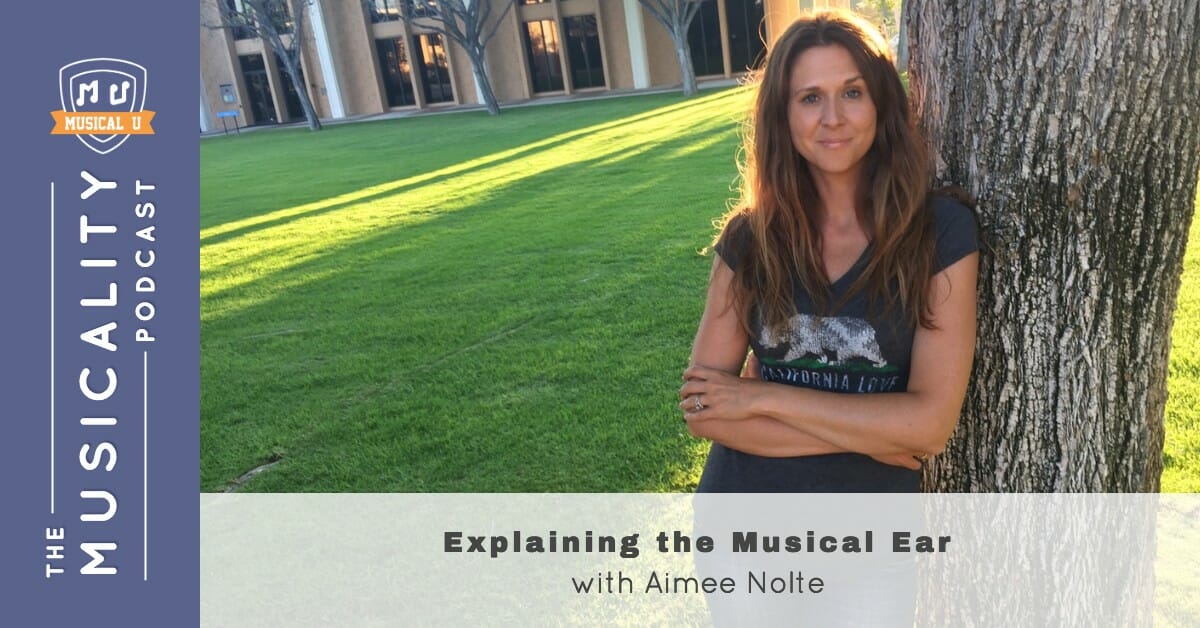
Explaining the Musical Ear, with Aimee Nolte
Musical U interviews music educator Aimee Nolte on her music background and how she teaches musicality skills through her engaging YouTube channel.
Join Musical U
Musical U membership provides you with dozens of training modules, tools for goal-setting and planning, and a friendly, supportive community who will help you succeed.
Start reaching your true musical potential:

Listen/Watch The Podcast:
Ear Training Apps
Download free ear training apps to help you improve your ear for music: