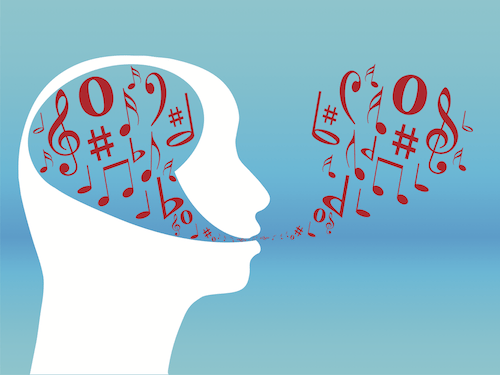


Playing by ear is a highly desired skill among musicians. Although many assume you need to be born a natural to do it, in fact playing music by ear requires a collection of skills which can all be learned. Knowing the right kinds of ear training and the truth behind how playing by ear works can enable you to learn to play by ear quickly and easily.
“You hum it, I’ll play it” is the classic response of the bar-room pianist to an unknown song; but why is it that some people seem to have an innate ability to instantly play anything they have heard while most of us struggle?
Virtuoso musicians like Mozart or Jaco Pastorius gained fame for being able to recall hours of complex music after a single listen, but for the average musician that’s only a pipe dream.
Like “Perfect Pitch“, playing by ear is often talked about as if it’s some kind of innate gift which only some people possess (and it’s true that some people seem to develop this skill without really trying) but as with all aspects of music, hard work usually beats talent in the end.
If you want to develop some serious playing by ear skills nothing beats time spent with a CD player or iPod, wearing out the rewind key while working out your favourite tracks. Working on your aural skills with dedicated play by ear training will give you a serious advantage and speed the process up considerably though!
Ear training skills which can help you play by ear include:
Using ear training exercises to develop each of these key listening skills can help your overall play by ear training and make it faster and easier to play music by ear.
Playing by ear is a wonderful skill to develop and one which is often neglected in the classical tradition, where players can become reliant on having the sheet music in front of them. With a bit of ear training under your belt, a limitless repertoire of music opens up to you.
 |
The Learn to Play by Ear series explores the what, why and how of learning to play by ear, featuring a range of top guest experts to share their perspective on how to become a natural play-by-ear musician. |
 Inside Musical U you’ll find a set of ear training modules for learning to play by ear, along with two detailed roadmap to guide you and a large number of exercises and interactive quizzes to help develop your skills.
→ Learn more about Musical U membership
 There are two major ways that musicians want to learn to play by ear. The first is chords, to be able to hear a song and recognise the chord progression being used so that you can play along with the right chords or improvise a suitable accompaniment. The second is melodies, to be able to hear a tune and play back the same notes, one by one, on your instrument. Musical U offers a Roadmap to guide you to learning each of these skills.
 Learning to easily identify the chords to a song just by listening to it is an important skill for any musician. If you play chords on your instrument, it frees you from sheet music or looking up the chord chart to play a new song. If you improvise it tells you clearly which notes will sound good and fit well. And even if you do neither of those things, having a keen understanding of the harmony in music is vital for good musicianship and confidence in music.
This roadmap covers an approach which will allow you to quickly play the chords to a large number of songs by ear.
There are many types of chord and the possibilities for chords in a song are practically endless so it is easy to get overwhelmed and make slow progress trying to play chords by ear.
Fortunately we can take advantage of musical conventions to focus on the most commonly-used chords and progressions. This will let you learn to play chords by ear much more efficiently than traditional approaches.
 This roadmap is designed to teach you to play melodies (tunes) by ear using solfa. This same skill can also be useful for working out basslines in songs, and as a foundation to figure out more complicated music by ear.
There is a close connection between intervals and solfa: they are two different ways of approaching the same core skill, so you will find interval-related modules and exercises below, which you will approach with a “solfa” mindset. If you are interested in using the intervals method instead, please see the alternative Roadmap Playing Melodies By Ear (Intervals).
By the end of this roadmap you will be able to play simple melodies by ear on your instrument.
→ Roadmap: Play Melodies By Ear
Learn the truth about what “playing by ear” means and how you can actually learn to do it yourself.
After completing this module: you will understand what exactly it means to play by ear and how you can get started immediately.
Learn how musicians play by ear using a combination of trial-and-error and specific techniques, and how you can begin playing by ear yourself.
After completing this module: you will understand how to play a song by ear or transcribe it, step-by-step.


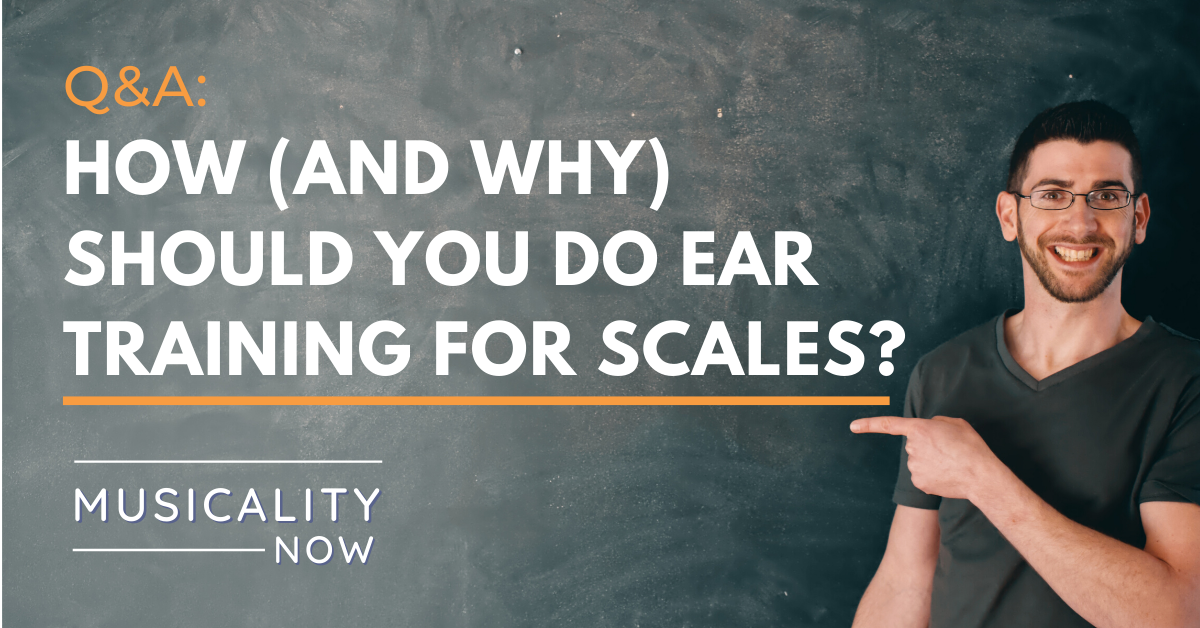
Musical U founder, Christopher Sutton teaches why you should learn scales and the two types of scale ear training that will improve your musicality.
Founder of Musical U, Christopher Sutton explains the power of good headphones for ear training – and how to choose the best pair for ear practice.
Musical U Director, Christopher Sutton discusses guessing notes when ear training. Learn how to avoid frustration and get more results from ear training.
The tonic rules, or does it? Sometimes, even when we know the tonic the notes don’t “fit”. Key changes, alien notes, and modes may be behind the madness.
The tonic gives us the key and chords of a song for playing by ear, solfa, and transcription. But what happens when the actual notes in the song don’t fit?
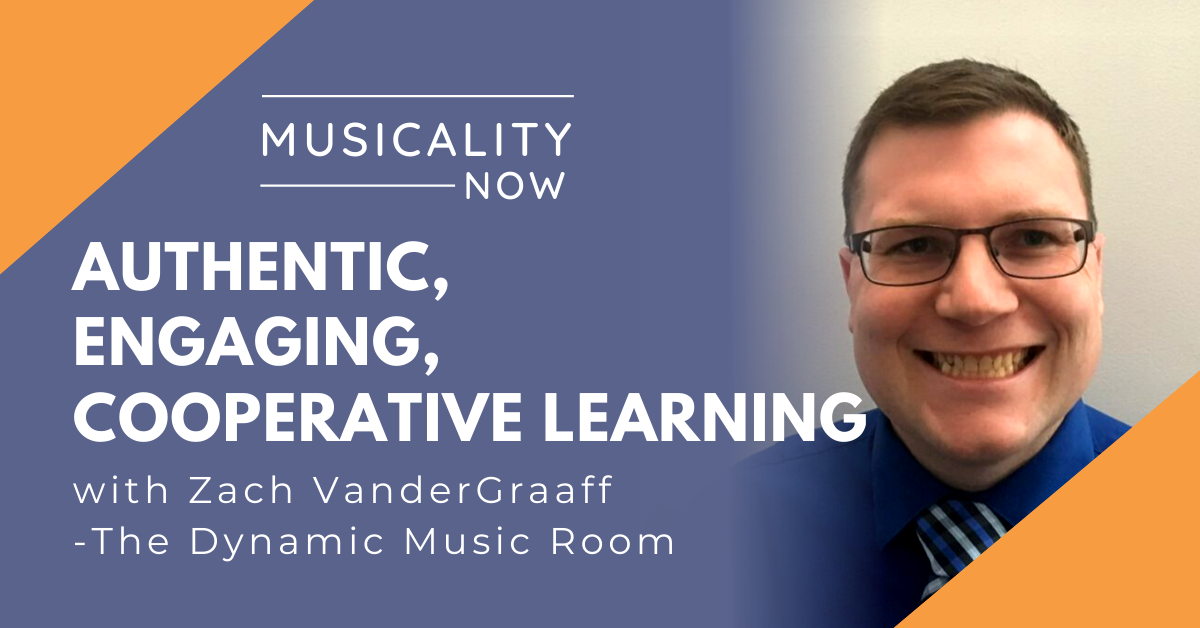
Zach VanderGraaff, of The Dynamic Music Room, teaches how to make music learning authentic, engaging, and cooperative. Have more fun and make more progress.
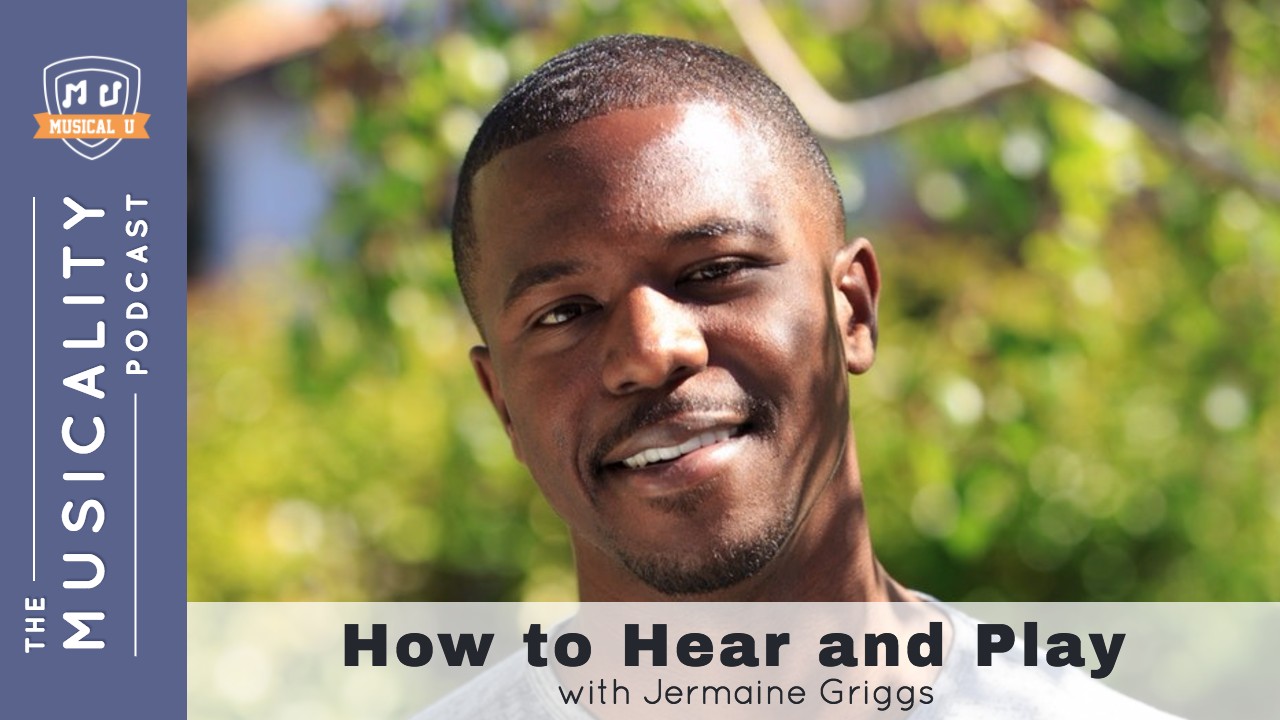
HearAndPlay is one of the leading websites for learning to play music by ear, especially Gospel. Learn how in this interview with Jermaine Griggs.

Musical U membership provides you with dozens of training modules, tools for goal-setting and planning, and a friendly, supportive community who will help you succeed.
Start reaching your true musical potential:

Download free ear training apps to help you improve your ear for music: