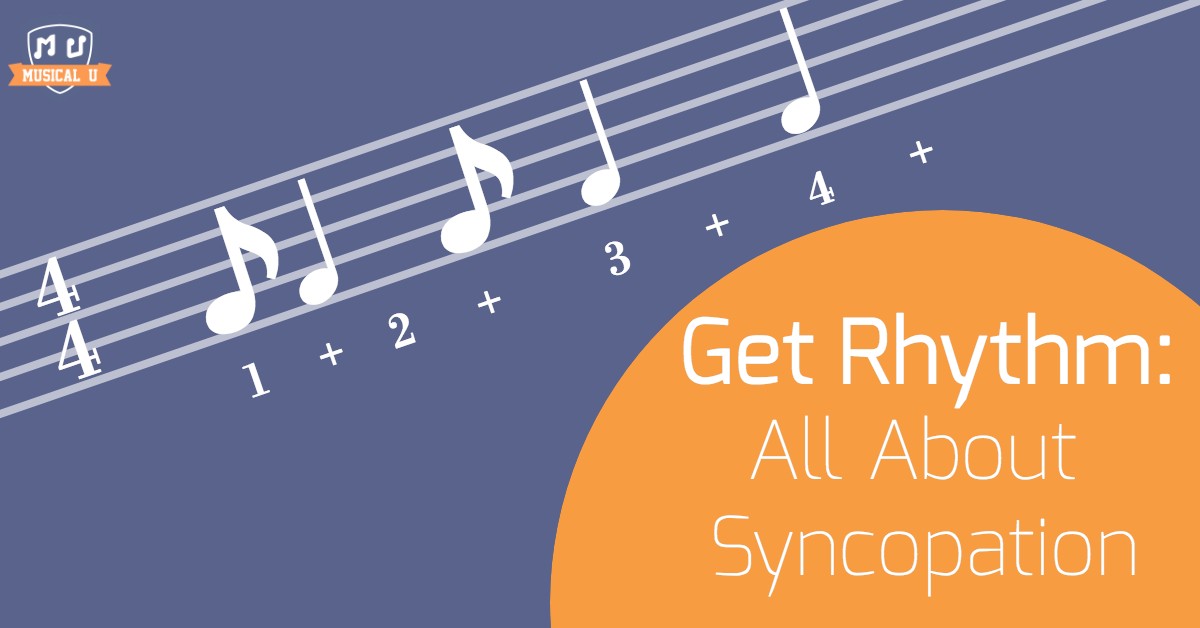



Along with melody and harmony, rhythm is part of the core foundation of all music. Whatever the genre, era, instrument, player or context of music - it's the rhythm that provides the driving force to keep our ears tuned in and satisfy our deep instinctive appreciation of music more than anything else.
Because rhythm is such a fundamental aspect of music, ear training for rhythm is relevant and can be hugely beneficial to musicians and music fans from all corners of the musical universe. From the bass player providing that funky bassline in a band and the drummer keeping a rock-steady beat, to the composer looking for a catchy riff to perk up a section of his score, or the passionate dancer who wants their performance to be so tightly attuned to the backing music the audience can't help but sit up and take notice, rhythm ear training is key.
Series
![]() |
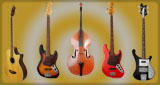
The bass guitar and other bass instruments are often classed as part of the 'rhythm section' in a band or ensemble, and players of bass instruments are relied on to provide the rhythmic bed on which the rest of the music depends. Our Bass Tone series helps bass players find the optimal sounds for their instrument in different situations, and helps other musicians and music fans to appreciate the variety of ways the bass contributes to music. |
Rhythm Music Theory
Watch a short video introducing the music theory behind rhythm:
Topics Related to Rhythm Ear Training
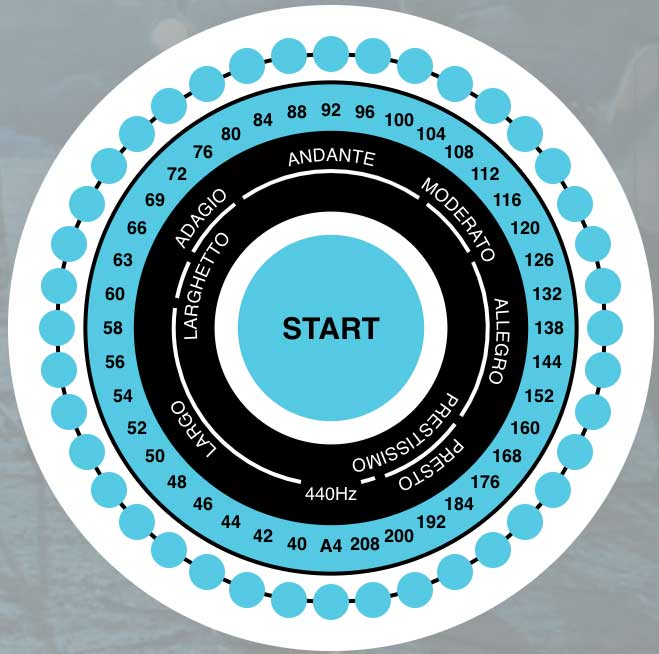
The overall pace of the rhythm of music is called the tempo and no study of rhythmic ear training would be complete without also developing a reliable and accurate sense of tempo. | |
Along with percussion instruments, bass instruments are probably those most commonly associated with rhythm. While most instruments contribute primarily in terms of melody and/or harmony, bass instruments straddle the pitch and the rhythm camps, contributing as much through when they play notes as by which notes they play. Whether you're a bassist yourself or not, ear training for bass will improve your understanding of its essential contribution to most music. | |
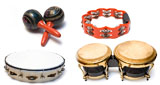
The percussion family of instruments features all the most purely rhythmic of instruments. If you're interested in developing your sense of rhythm, stripping away the pitch and harmony aspects of music can make devoted ear training easier - and focusing your attention on percussion instruments is a great way to do that. You can delve into percussion ear training with a look at the rock drum kit, the orchestra percussion section, simple hand-held instruments - or even just the clapping of your hands! |
Interactive rhythm ear training
Here's a fun game from Theta Music Trainer which tests your ability to connect notated rhythms with the sounds you hear: Flash Rhythms
For a more advanced challenge try Rhythm Puzzles. If you've enjoyed these games, we recommend the full Theta Music Trainer. |
Have we missed something, or do you have another idea about this topic?
Help us improve this page by telling us what ear training for rhythm means to you:
Articles about Rhythm Ear Training:
-
Life After Ear Training: A Drummer’s Tale
-
The Secret Aural Life of Drummers (or “How to Play Percussion by Ear, Confessions of a Rhythm Queen”!)
-
Music & Life: Fun Rhythm Activities for Valentine’s Day
-
Free Christmas Ear Training Track to Download!
-
Music & Life: The Power of Rhythm
-
If it ain’t got that swing…
-
Become a Rhythm Guru with GarageBand in 5 Easy Steps
-
Get Your Groove On: Beat Basics