
Hear It, Write It, Play It: Solfege Helps You Get It
Can you transcribe music by ear? Use the solfa framework taught in this series and you’ll be able to easily write down music just like in this example.


Transcription is the process of listening to a piece of performed music (a live performance or recording) and using listening skills to write it down. This could be as a score, guitar tablature, simplified notation, or even your own informal shorthand. Being able to transcribe music relies on a range of listening skills, including good absolute and relative pitch skills, along with chord knowledge and rhythm skills.
Many musicians develop ear training skills in order to improve their transcription, and as luck would have it: not only is ear training the best tool for improving transcription, but transcription is one of the best forms of ear training!
The obvious use of transcription is to create a score for use by fellow musicians, but it can also be an end in its own right, either as a form of aural skills development or for you to unlock the secrets of great improvisers and soloists…
Remember: transcription ear training is not just for those of us who are fluent in classical musical notation! It is also possible to transcribe music into guitar tablature, the piano roll of a sequencer, or even into your memory as part of playing by ear.
Transcribers of great skill may be able to instantly commit a complex piece directly to manuscript, but for the rest of us it is often a great help to have an instrument to hand to pick out key phrases and verify what we think we’ve heard.
Investing time in ear training for transcription can help you to:
We have recommendations of the best software to transcribe music for PC, Mac and iOS.
Can you transcribe music by ear? Use the solfa framework taught in this series and you’ll be able to easily write down music just like in this example.
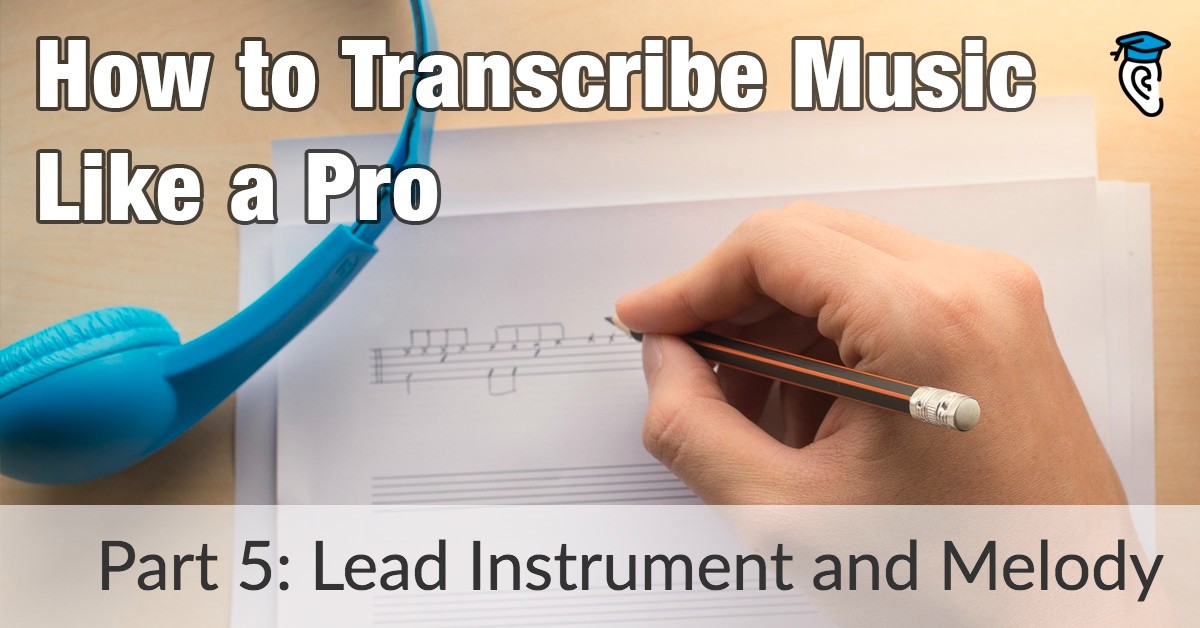
Many new transcribers go for the melody first, but when you start with drums, key, and rhythm section, your lead melody transcription is a whole lot easier.
The tonic rules, or does it? Sometimes, even when we know the tonic the notes don’t “fit”. Key changes, alien notes, and modes may be behind the madness.
The tonic gives us the key and chords of a song for playing by ear, solfa, and transcription. But what happens when the actual notes in the song don’t fit?
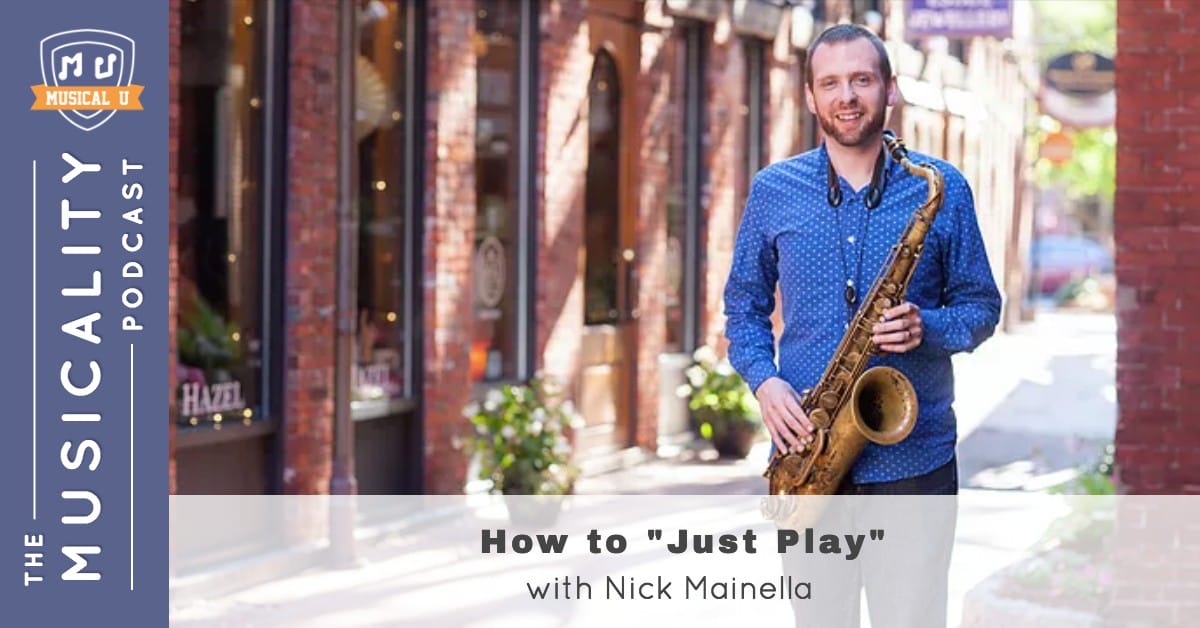
Learn about improvisation from a pro! Musical U interviews Nick Mainella, jazz musician and creator of the 10 Minute Jazz Lesson Podcast.
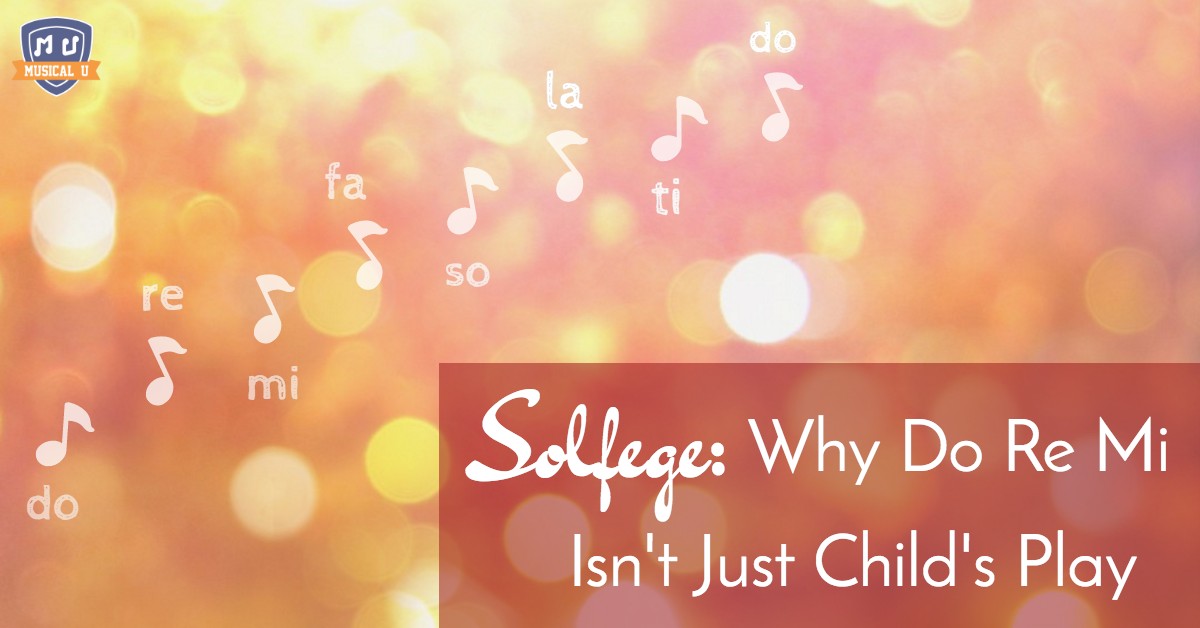
Solfege is a powerful framework to recognise notes by ear, which lets you improvise and play by ear easily. This training series teaches you how to do it.
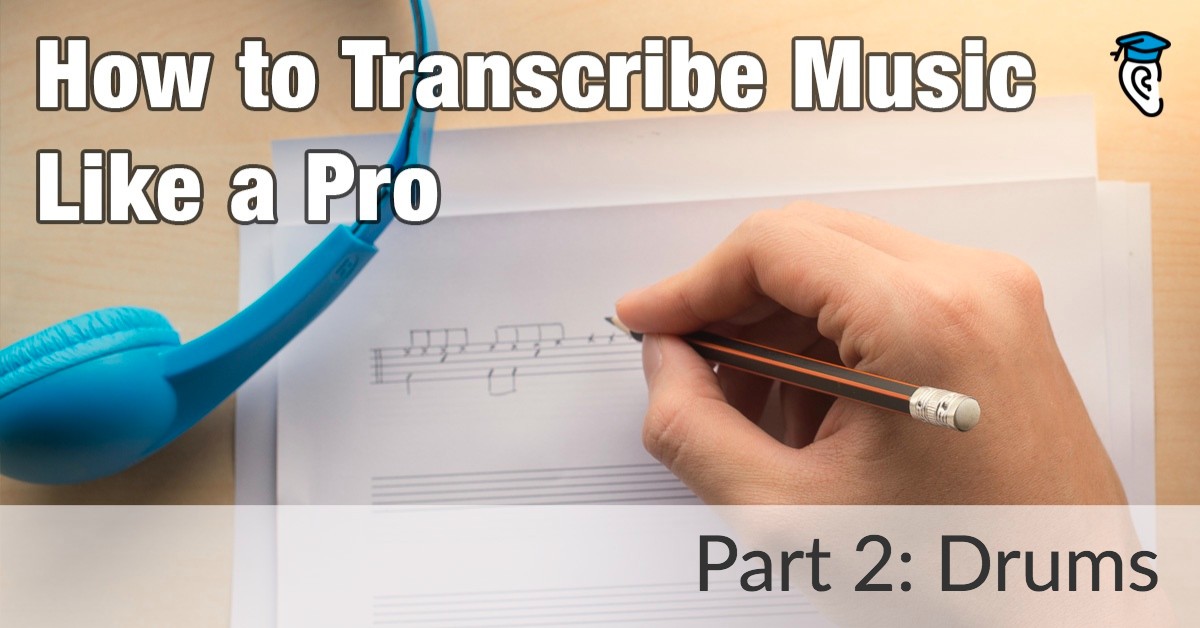
Most beginning transcribers go for melody first, but starting with drums offers many advantages. Learn why and how to transcribe the drum parts like a pro.
Taking music you hear and putting it onto paper doesn’t need to involve complicated notation or a perfect re-creation. Learn about the art of transcription!
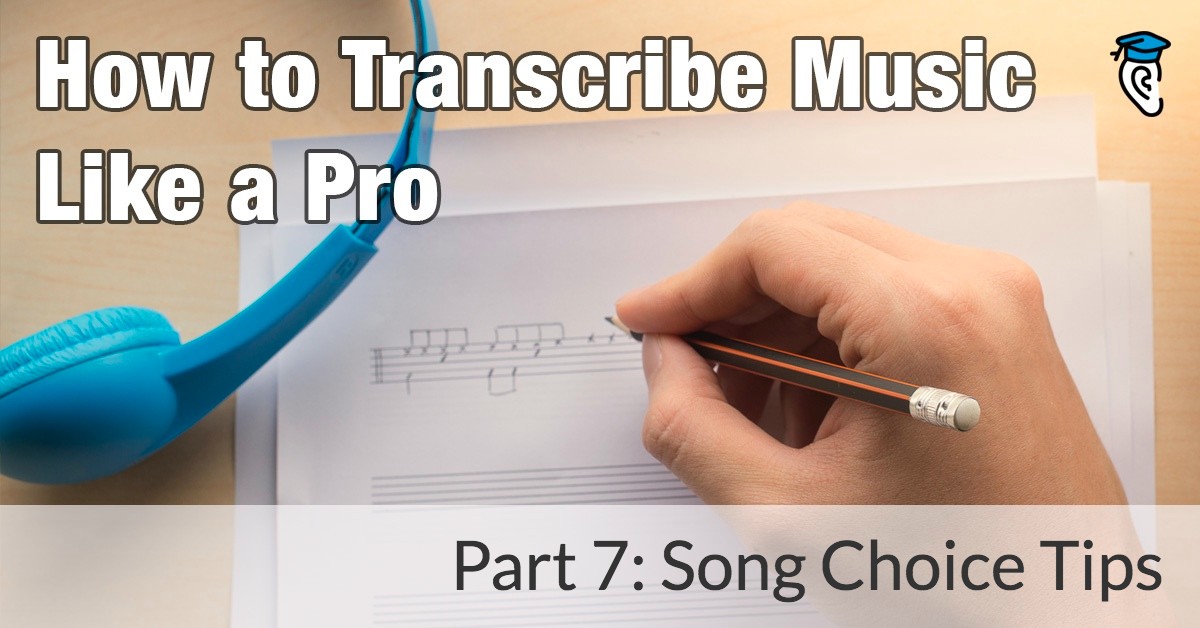
Ready to upgrade your transcription skills? Expand your musical range, exercise with YouTube transcriptions, and choose the best songs to fit your goals.
Sight reading music can seem complicated and difficult. But when you take it in stages, it’s not all that hard, and can open up new worlds of music for you.
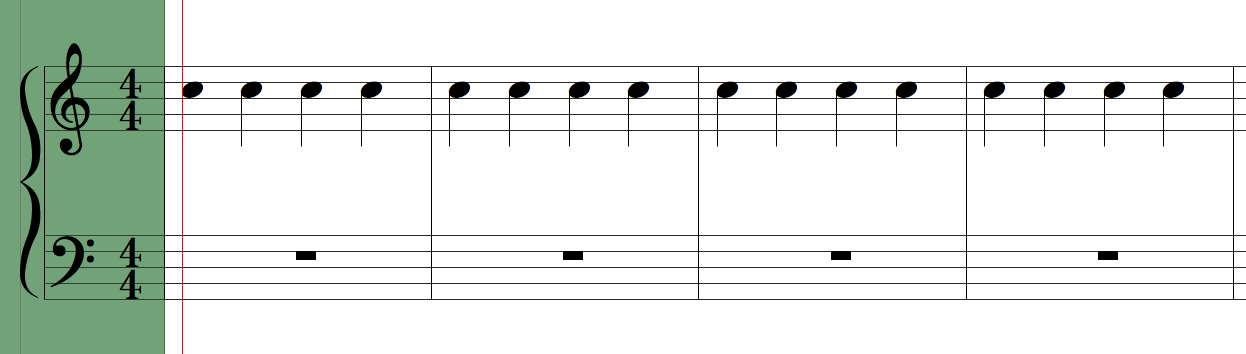
Learn about basics of rhythm, proper notation for writing rhythm, test your skills, and find additional resources to further strengthen your rhythmic ability.

Musical U membership provides you with dozens of training modules, tools for goal-setting and planning, and a friendly, supportive community who will help you succeed.
Start reaching your true musical potential:
Download free ear training apps to help you improve your ear for music: